The rarest oil in Moroccan beauty — and one of the most expensive in the world. Here's why it earns the price.
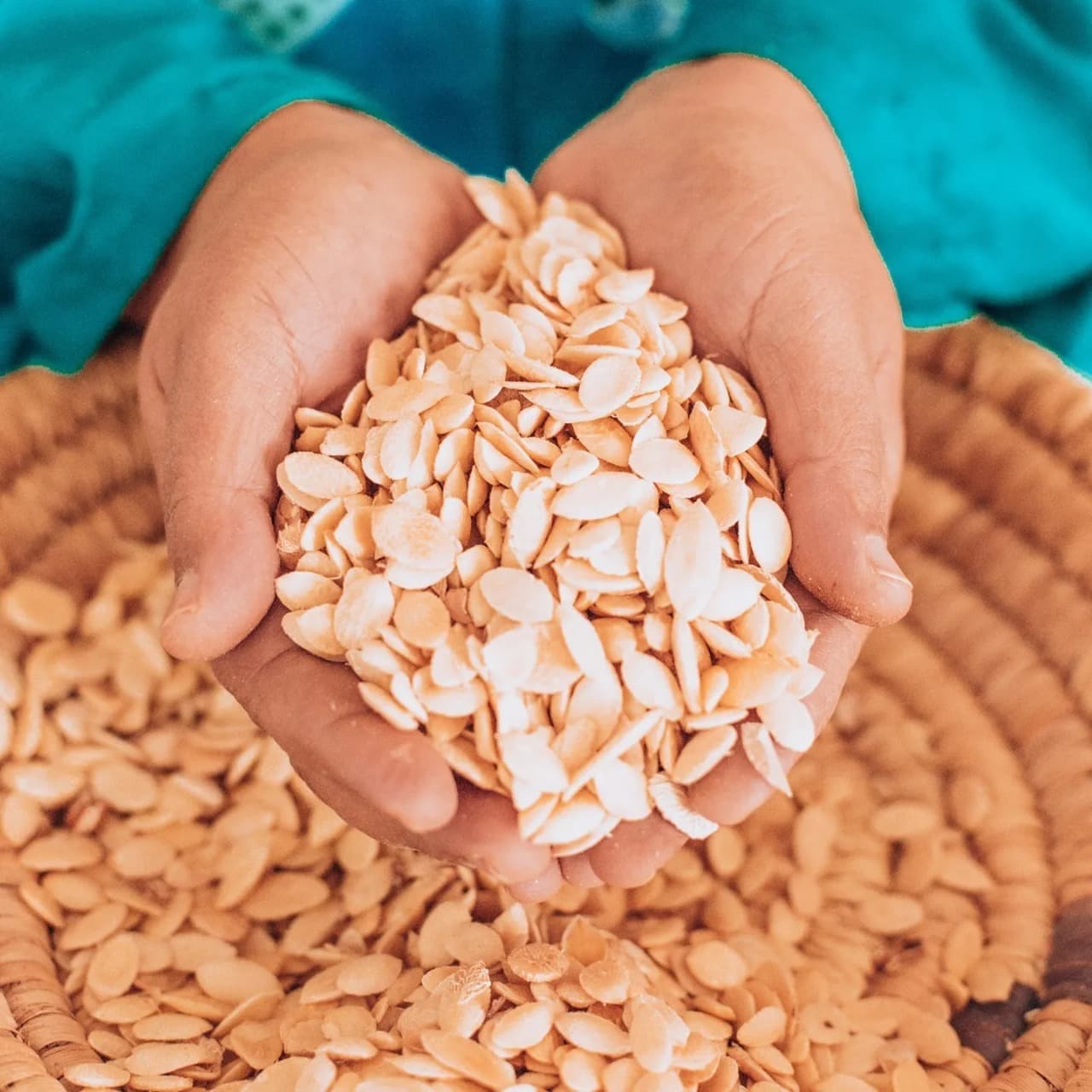
If you want a natural skincare ingredient that delivers serious hydration and rejuvenation, Moroccan prickly pear seed oil is hard to beat. Pressed from the tiny seeds of the prickly pear cactus (Opuntia ficus-indica), it has become one of the most prized oils in clean beauty. Part of that reputation is scarcity: the seeds hold only about 5% oil, and it takes roughly a tonne of fruit — around 30 kilograms of seeds — to produce a single litre. That slow, largely hand-done extraction is why it is often called one of the most expensive plant oils on earth. Here's what it actually does for your skin.
1. Rich in Antioxidants
Prickly pear seed oil is loaded with antioxidants that help neutralise the free radicals behind premature aging. Its standout feature is an exceptionally high vitamin E content — roughly 150% more than argan oil — which helps protect skin from oxidative stress and supports a smoother, more youthful look over time.
2. Deep, Lasting Hydration
This is a genuinely effective moisturiser. With around 60% linoleic acid, an essential omega-6 fatty acid, it helps reinforce the skin's moisture barrier and reduce water loss, keeping skin hydrated for hours. That makes it a strong choice for dry, flaky, or dehydrated skin that needs a soft, supple finish.
3. Improves Skin Elasticity
The oil's rich profile of essential fatty acids and phytosterols supports skin elasticity and firmness. With regular use it can help improve tone and texture, contributing to a smoother, more resilient complexion — one reason it's a favourite for mature skin.
4. Helps Fade Dark Spots
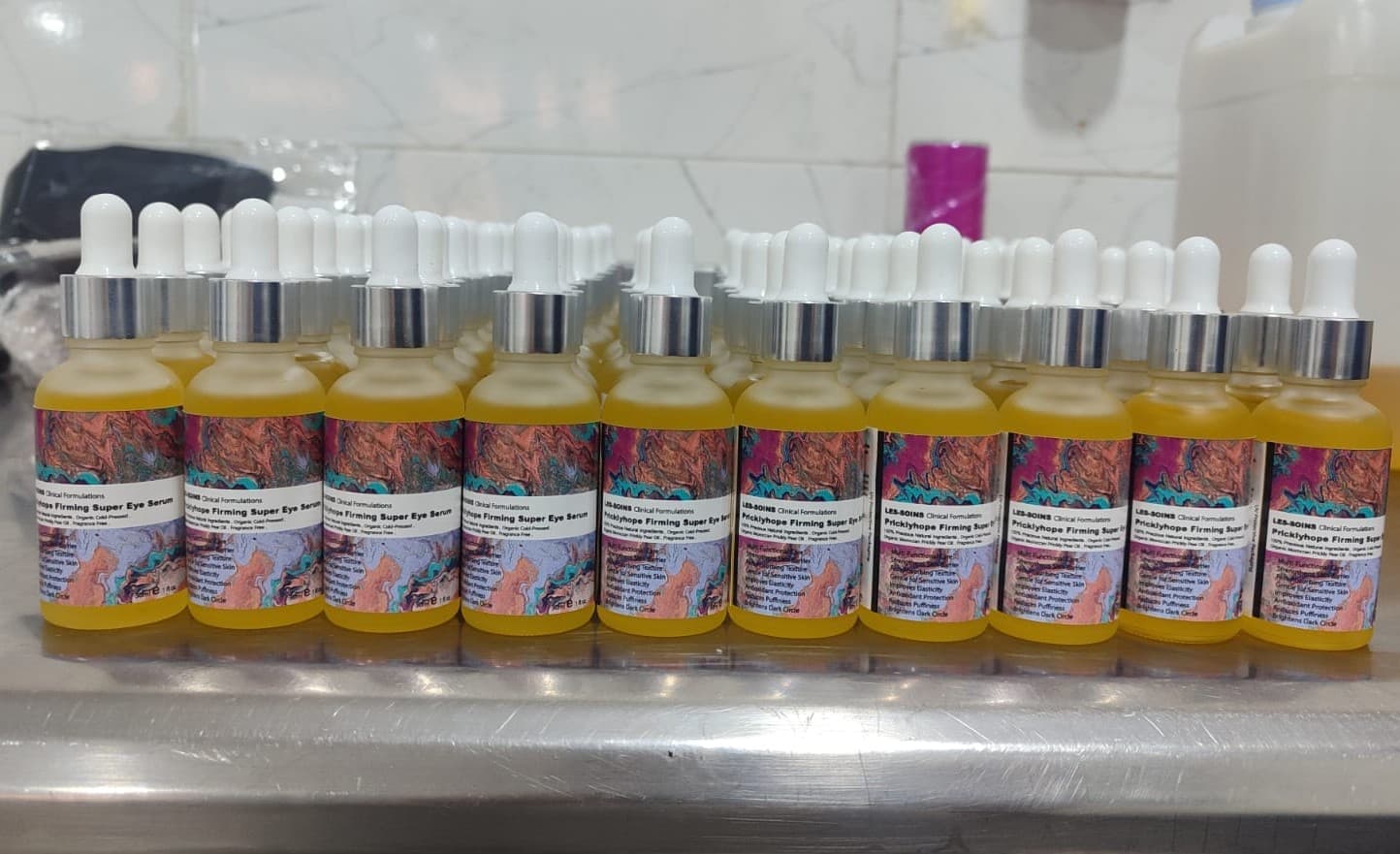
One of its most loved benefits is its effect on uneven tone. Thanks to its vitamin K and antioxidant content, it has natural brightening properties that can help soften the look of dark spots, hyperpigmentation, and under-eye shadows, for a clearer, more even complexion over time.
5. Soothing and Anti-Inflammatory
For sensitive or reactive skin, prickly pear seed oil is a calming option. Its natural anti-inflammatory properties help soothe irritation, redness, and inflammation, which makes it well suited to skin prone to conditions like mild acne or rosacea.
6. Non-Comedogenic
Unlike heavier oils, prickly pear seed oil is non-comedogenic, meaning it won't clog pores. Its high linoleic acid content lets it absorb quickly without a greasy film, so even oily and acne-prone skin can enjoy the benefits of a facial oil without the worry of breakouts.
How to Make Sure You're Buying the Real Thing
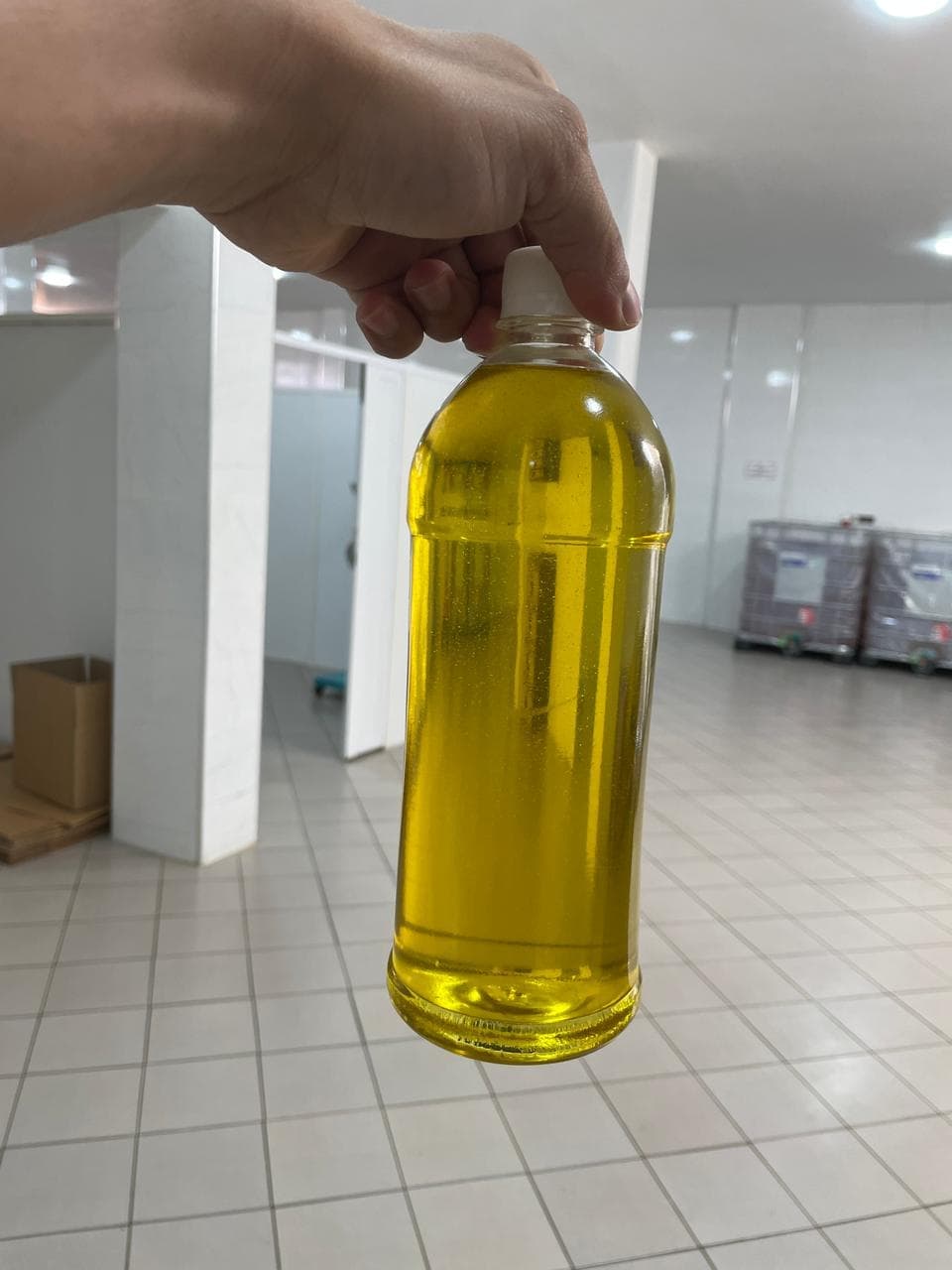
Because the oil is so valuable, the market has its share of imitations. Genuine oil is cold-pressed and lists only Opuntia ficus-indica seed oil on the label, with a light, slightly herbal scent and a yellow-green colour. The most common trick is a "macerated" oil — a cheap carrier oil infused with a little prickly pear — sold as the real thing. If a bottle is suspiciously cheap, it almost certainly isn't pure cold-pressed seed oil. As with any new oil, patch test before adding it to your routine.
Why Choose Our Moroccan Prickly Pear Seed Oil?
At Moroccan Organica, we bring you finest-grade prickly pear seed oil sourced directly from Morocco. Every bottle is:
100% pure and fully organic
Cold-pressed to preserve every nutrient and active compound
Undiluted and never blended with other oils
Whether your goal is softening fine lines, fading dark spots, or deeply hydrating dry skin, our oil is an effortless addition to your routine — the genuine article, straight from the source.
Discover the magic of Moroccan skincare. Experience 100% pure, cold-pressed prickly pear seed oil and embrace a healthier, glowing complexion. Shop Now at Moroccan Organica →
Frequently Asked Questions
What is prickly pear seed oil good for?
Antioxidant protection, deep hydration, improved elasticity, fading dark spots, and calming irritation — all while being non-comedogenic so it won't clog pores.
Why is it so expensive?
The seeds are only about 5% oil, and it takes roughly a tonne of fruit (about 30 kg of seeds) to make one litre, with slow, mostly manual extraction.
Is it okay for oily or acne-prone skin?
Yes — it's non-comedogenic and high in linoleic acid, so it absorbs cleanly and is generally well tolerated. Patch test first.
How do I know it's pure?
Look for cold-pressed oil listing only Opuntia ficus-indica seed oil, a light herbal scent, and a yellow-green colour. Very cheap oils are usually macerated or diluted.