The blue powder everyone wants in their formulas — and how to buy it without getting burned.
If you build skincare products, you have probably noticed nila creeping onto more and more ingredient lists. The deep blue powder, long used by Saharan and Moroccan women to brighten and even out the skin, has crossed over into mainstream clean beauty — and that popularity has created a sourcing problem. There is a lot of nila on the market now, and not all of it is what it claims to be. This guide walks through where to find it, how to tell the real thing from the imitations, and what to nail down before you place a bulk order.
First, Know What You Are Actually Buying
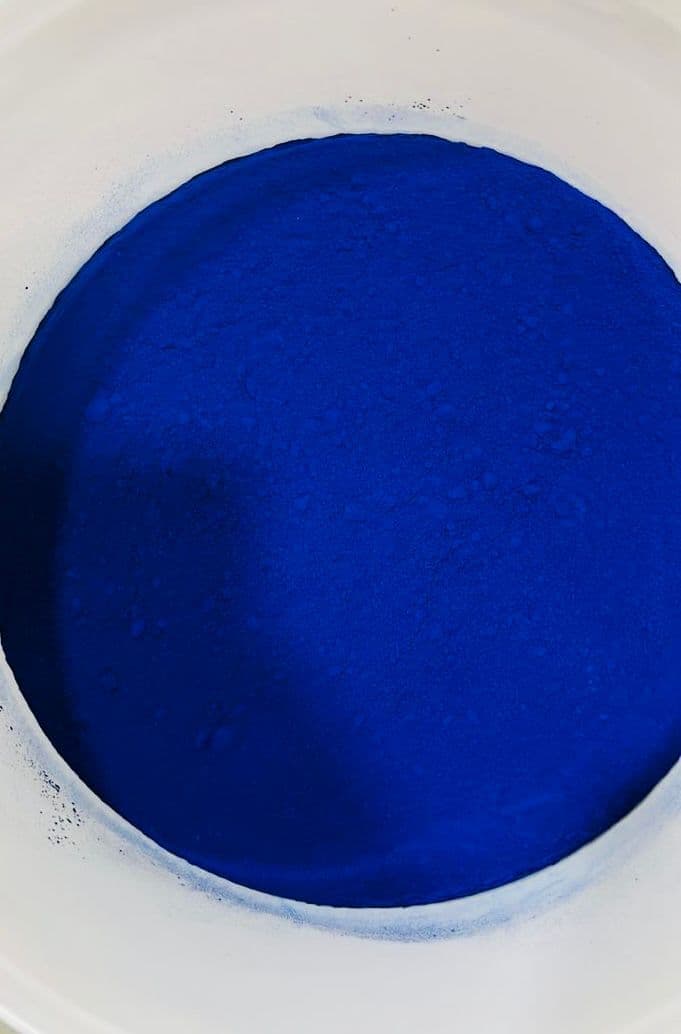
Here is where most brands trip up. Nila — also sold as blue nila, nila bleu, or Moroccan indigo — is traditionally a pigment derived from the indigo plant, Indigofera tinctoria, whose leaves are dried and milled into a fine blue powder. Confusingly, some Saharan suppliers describe their nila as a blue mineral pulled from desert rock instead. Both stories circulate online, sometimes for the same product. That matters to you for one simple reason: if you cannot say with certainty what your nila is made of, you cannot write an accurate ingredient label or pass a cosmetic safety review. So before anything else, ask your supplier point-blank for the botanical or mineral source and the INCI name. A serious supplier will answer without hesitating.
Where the Good Material Comes From
The most reliable nila comes through suppliers based in or sourcing directly from Morocco, particularly producers connected to the south and the pre-Saharan regions where the ingredient has been used for generations. You will generally find it through three kinds of seller: cosmetic raw-material wholesalers who carry it alongside argan, ghassoul, and rhassoul; Moroccan export cooperatives and family producers; and online marketplaces. The marketplaces are the riskiest. Listings there are often re-sold, re-bagged, and stripped of any real origin information, which is exactly the situation you want to avoid when the product goes into something people put on their face. Buying closer to the source — from an established Moroccan exporter who handles documentation and shipping — usually means fresher material, a clearer paper trail, and better pricing at volume.
How to Spot Fake or Low-Grade Nila
A few checks separate genuine cosmetic-grade nila from filler-heavy or dyed powder. Real nila is a natural, slightly muted deep indigo; a powder that looks like an unnaturally electric blue is a warning sign of added synthetic colourant. The texture should be fine and even, not gritty or clumped with obvious impurities. Ask for a sample and test it the way your customers will — mixed with rose water or argan oil into a paste — and watch how it behaves and rinses. Most importantly, ask for documentation: a Certificate of Analysis, an ingredient and origin declaration, and any heavy-metal or microbial testing. Indigo-type ingredients can carry contaminants if poorly processed, so testing is not optional for a brand that sells to the public.
What to Confirm Before You Order in Bulk
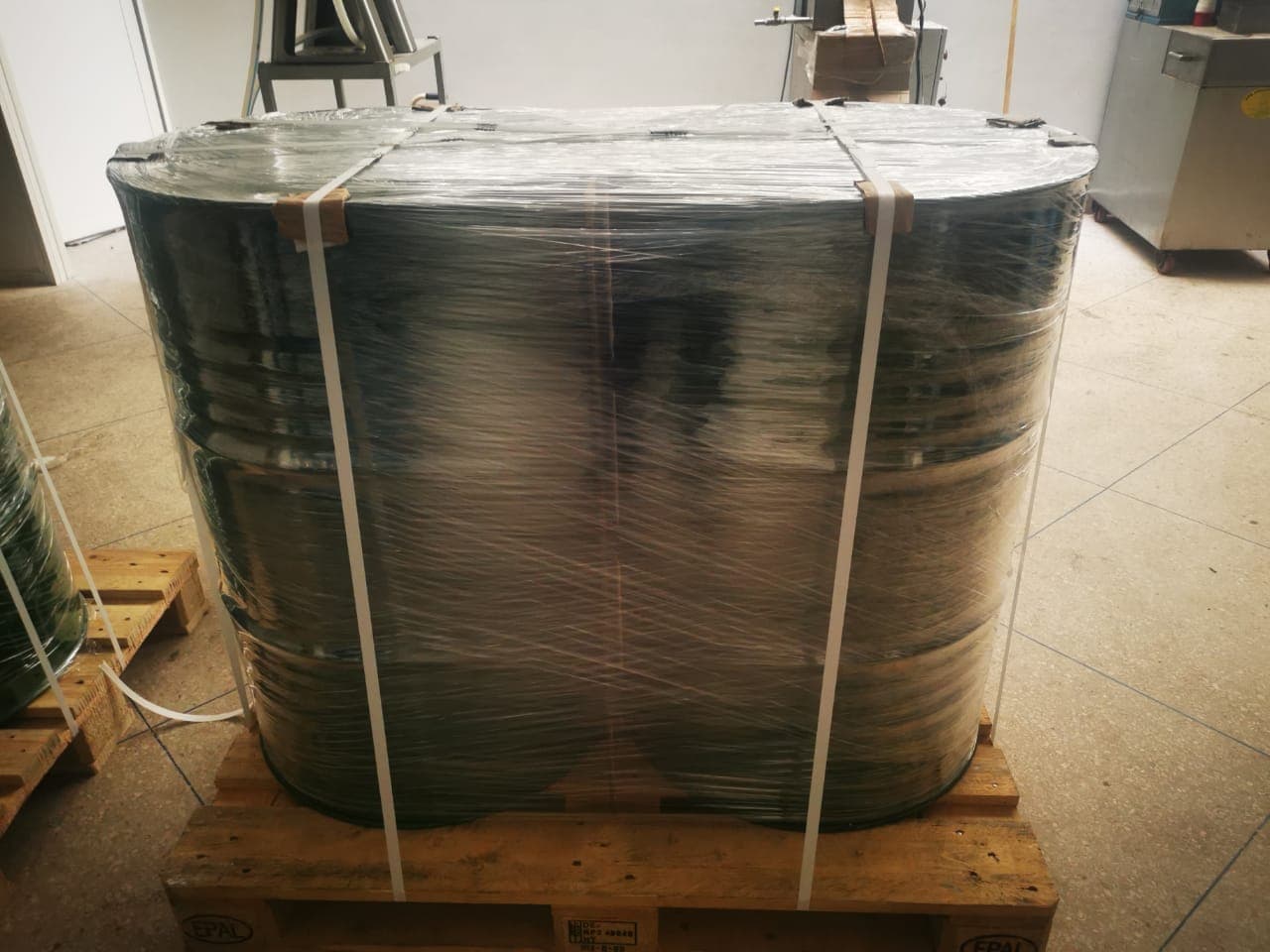
Once you trust the material, pin down the commercial details in writing. Clarify the minimum order quantity, which for cosmetic-grade powder can run from a few kilograms for a trial up to 25 kilograms or more for production. Agree on lead times, packaging, and whether the supplier offers private-label or bulk drum options. Confirm that the documentation matches the market you sell into — EU Cosmetics Regulation, UK, or US FDA rules each demand specific labelling and safety files — and that the supplier can keep that paperwork consistent batch to batch. Finally, ask how they handle reorders and whether colour and quality stay stable across batches, because an ingredient that shifts shade will quietly wreck a product line.
Build a Relationship, Not Just a Transaction
The brands that source nila well treat it as a partnership. A good Moroccan supplier becomes a window into the whole category — argan oil, ghassoul clay, prickly pear, aker fassi — and can grow with you as your range expands. Start with a sample, vet the paperwork, place a modest first order, and scale once you have proven the quality holds. Do that, and nila stops being a sourcing headache and becomes one of the most distinctive ingredients in your lineup.
Frequently Asked Questions
What is Moroccan nila powder made of?
It is traditionally a blue pigment from the indigo plant (Indigofera tinctoria); some Saharan sources describe a mineral blue. Always confirm the exact origin with your supplier.
How can I tell if nila is authentic?
Ask for the INCI name and source, request a Certificate of Analysis, and check for a natural deep-indigo colour rather than an electric synthetic blue.
What is a typical wholesale minimum order?
Often a few kilograms for samples and 25 kg or more for bulk, depending on the supplier and packaging.
Is nila regulated for cosmetic use?
Yes — it must meet the rules of your market (EU, UK, US). Confirm compliant documentation and correct INCI labelling before formulating.
Sourcing nila for your brand? Request a sample and a wholesale price list — we'll include the Certificate of Analysis, INCI details, and private-label options so you can vet it properly before you commit.